blog post #3
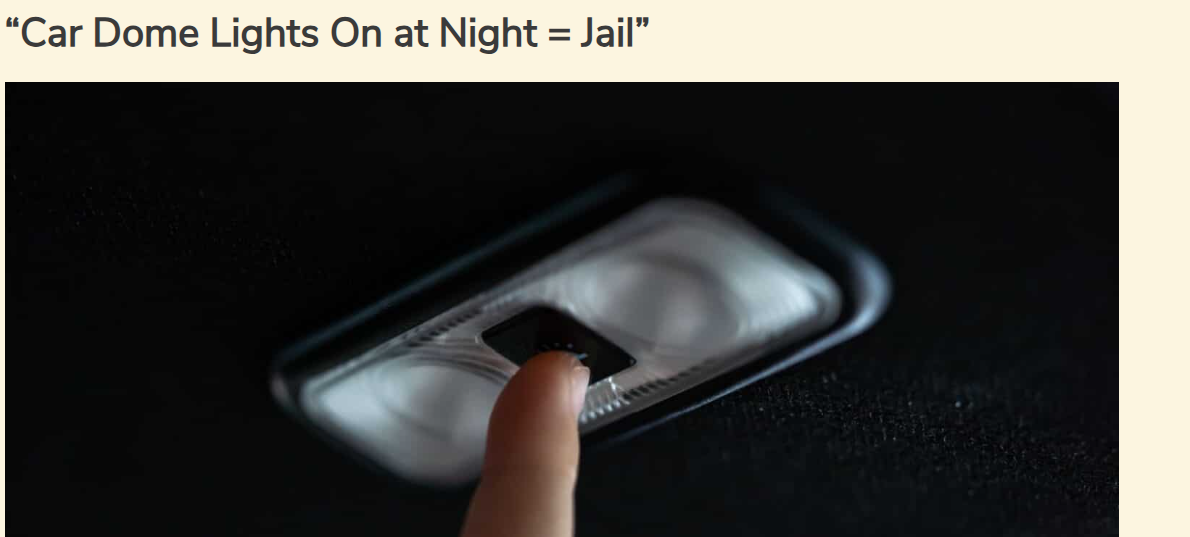
When we were younger, quite a few of us were told that “cracking your knuckles will lead to arthritis.” While it was very believable then, it was probably a kinder gesture to tell someone that when it was getting really annoying to listen to. I personally have not read any articles about it! Hearing it when you’re younger makes it seem as if it was passed down person to person. Because this claim was so prevalent in my childhood, it was easily believable. Coming up with this idea for a blog post was actually hard, because I realized that some things in my childhood weren’t actually proven, i.e. “If you swallow gum, it will stay in your body for seven years.” or “If you eat watermelon seeds, it will grow leaves inside your body.” Below is another one of the sayings we might have been brought up with!

To combat this claim from such a long time ago, we have to go back to the root of it and utilize the SIFT method which stands for Stop, Investigate the Source, Find Better Coverage, and Trace Claims to Their Original Context.
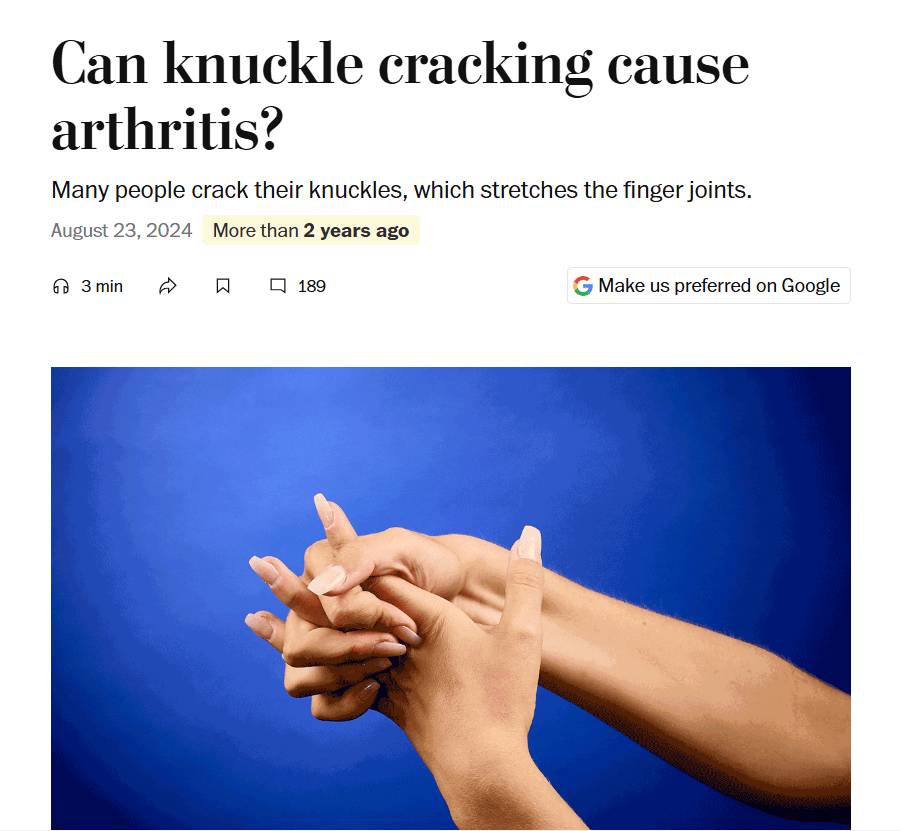
1. STOP
Since the claim was more verbally passed down rather than through articles, it was a little harder to find an original source. In that case, we can act like this is our first time seeing this claim. We cannot automatically believe this because it is the first post we’ve seen about it making this claim.
2. INVESTIGATE THE SOURCE
After stopping to reflect on what we’ve seen, we must put on our Sherlock Holmes caps and be a detective and investigate. Your job is to see where the claim has come from while I investigate whether this claim was based on actual evidence or just simply spreading misinformation because that’s what they heard.
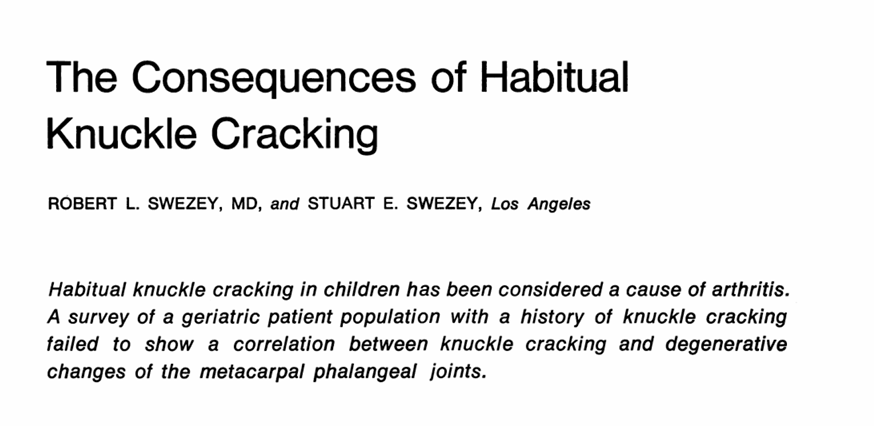
The article comes from Washington Post which is a very famous news source that we have access to. The article links an individual study (accessible through Arizona State Library) showing an author conducting research on himself for over 50 years cracking his knuckles! He states that during his childhood, he had heard the same exact saying from various family members. Interesting. A citation from the exact same piece of the article comes from an article from 1975 explaining that cracking knuckles hasn’t led to a correlation with arthritis. Hm. Then why did those older than us tell us that?
3. FIND BETTER COVERAGE
Looking through numerous websites and articles, there’s a lot of information that contradicts the claim. Utilizing lateral reading will help an individual skim through multiple websites and articles to compare it to the claim that they have heard or read. Rather than just using the Washington Post and the article from 1975, I sought out information from Google Scholar. A medical article from 2020 shows an orthopedic surgeon researching the claim and explains the correlation of arthritis and cracking your knuckles … well, there is none. Apparently, we have tiny little gas bubbles between our finger bones. Who knew? Realizing the information wasn’t consistent with the claim, I tried looking for additional sources to compare it to the medical article.
4. TRACE CLAIM
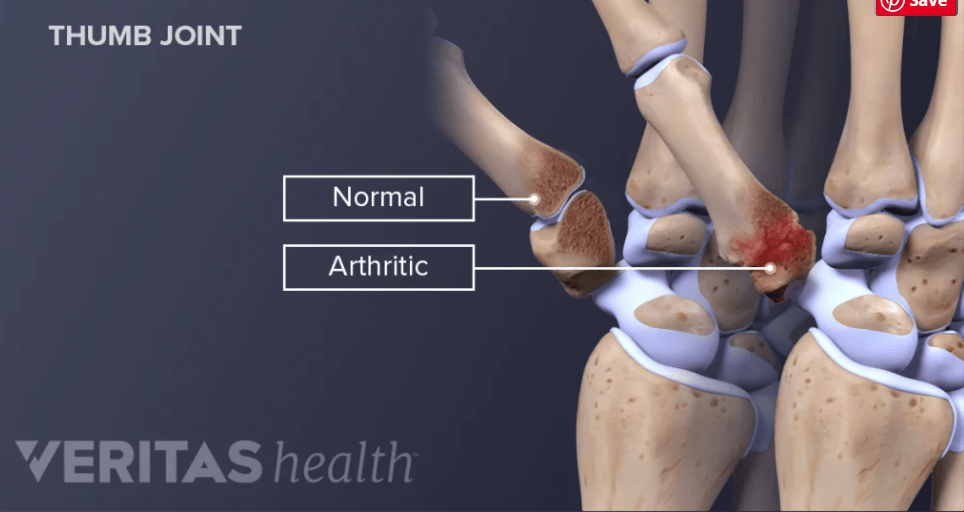
So, what actual evidence do we have? This is quite important, because one claim can cause people to be spun up, even with a claim as old as this. One statement online, even if misinformation, can cause people to repeat it without fact checking it. In this research, I explicitly looked for the actual research and evidence to the claim. Even from a doctor’s research, (above), I still didn’t think it was enough. That’s when I found the article from Sprigg’s Chiropractic.
They give examples with images correlating with the scientific explanation. You might ask, how do you know the doctor is legit? Well, go through the SIFT process again until you investigate the source. Located in Newburry in the UK, Spriggs Chiropractic is run by two individuals with certified backgrounds and licenses while holding master’s degrees. Perfect. If you give his article a quick read, he also goes over ‘Misinformation in the Scientific Literature.’ So we DO have tiny little bubbles between our bones! SEE BELOW.
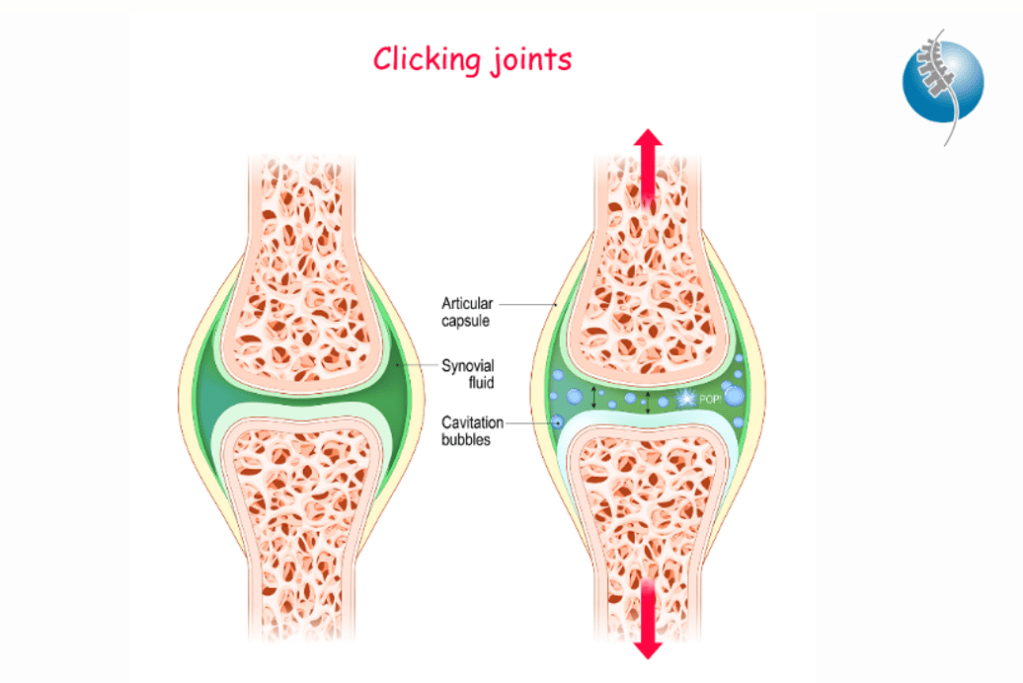
Coming to the conclusion, I think it’s easy to say that “cracking your knuckles leads to arthritis” is a myth or wives’ tales. After going through each step, the process should show you how important it is to question information, even if you HAVE heard it your whole life. Something so familiar can seem true because we have heard it so often. Utilizing SIFT can make you think and question everything you see. It’s such a useful process for anyone that comes across questionable content online or even verbally. Instead of hitting repost, check the facts. Find the original source. Help stop the spread of misinformation!

